
BUSINESS & FRANCHISE FINANCE • AUSTRALIA-WIDE
Business & franchise finance.
A finance plan for your next business move.
Buying a business, opening a franchise or planning growth? Your business finance broker compares lender options around the full cost: acquisition, fit-out, equipment, stock and working capital.
Start with the whole project cost.
The purchase price is only part of the picture. We review contribution, available security, cash flow and a working-capital buffer before structuring the application.
Explore your funding optionsGeneral information only. Business purchases, franchise agreements, leases and ownership structures need independent legal, accounting, tax and commercial due diligence.
START WITH THE TRANSACTION
What’s your next business move?
The same funding amount can produce a different lender outcome when the business, franchise system, cash flow, lease, security or evidence changes.
Existing franchise resale
Historic earnings can support the application, but the lender still tests the purchase price, lease, owner adjustments, refurbishment obligations and whether performance will transfer to the new operator.
New or greenfield franchise
With no site trading history, greater weight falls on the borrower, franchise system, location, lease, establishment budget, conservative forecast and working-capital reserve.
Independent business purchase
The lender reviews transferable earnings, customer and supplier concentration, key-person risk, assets, lease, buyer experience and the portion of the price attributed to goodwill.
Expansion or additional site
Existing business performance may help, but the new location still needs a credible budget, management capacity, site economics and a plan for the extra debt during ramp-up.
Fit-out, equipment and launch
Multiple suppliers, staged payments, landlord contributions, asset delivery and opening dates may require coordinated facilities rather than one undifferentiated loan.
Working capital or refinance
The purpose, current debt, bank conduct and recurring cash flow matter. A restructure should improve control or cash flow rather than simply postpone an underlying problem.
BEYOND THE BRAND NAME
A good application brings the whole picture together.
A recognised franchise system can help, but the actual site, lease, purchase price, cash flow, contribution and borrower still have to work.
Two applicants buying the same franchise can receive different outcomes. Contribution, credit conduct, experience, available security, personal commitments and the amount of retained cash all change the risk presented to a lender.
The opportunity matters just as much. An established resale brings trading history but can carry weak earnings, inflated goodwill or an approaching refurbishment. A greenfield site relies more heavily on the system, local economics, lease and forecast. An independent business purchase depends on whether the earnings, customers and operating capability will transfer after settlement.
Rate Challenge compares which lenders have appetite for the borrower, industry, franchise system and transaction, then builds the application around the complete sources and uses of funds, repayment case and settlement deadline.
Before paying a deposit or signing unconditionally
Confirm the total project cost, finance condition, refundable and non-refundable amounts, lease and franchise timing, required consents and a realistic working-capital buffer. Finance approval does not replace legal or financial due diligence.
WHAT WE COMPARE ACROSS LENDERS
Find the lender fit for your business.
The same opportunity can receive different outcomes as lender industry appetite, evidence standards, security settings, terms and approval conditions change.
Borrower and experience
Credit conduct, personal position, management and industry experience, contribution, living costs and the capacity to support the business during transition or ramp-up.
Business and lender appetite
Industry, franchise system, trading history, business model, customer concentration, transferability and whether the lender currently considers that type of transaction.
Cash flow and debt service
Historic or forecast earnings, owner wages, rent, royalties, tax, existing debt and the margin available after all proposed repayments and operating costs.
Contribution and security
Cash equity, retained liquidity, business assets, residential or commercial property security, personal guarantees and how much goodwill the lender is being asked to fund.
Facility mix and term
Whether acquisition, fit-out, equipment and working capital should be separated, and whether each repayment term fits the asset, purpose and expected cash-flow cycle.
Pricing, conditions and timing
Rate, fees, covenants, valuation, legal review, security registration, consents, approval conditions and settlement certainty should be compared together.
See how prepared you are for a lender review.
Check your readinessUse the Business Loan Eligibility Check to review your trading history, cash flow, bank conduct and documents. It provides a readiness result, not a lender approval.
PLAN THE FUNDING
Match the finance to each part of the project.
Separating loan purposes can make the cost, term, security and repayment source easier to understand and manage after settlement.
| Cost or purpose | Possible funding approach | What the lender usually tests | What we coordinate |
|---|---|---|---|
| Business purchase and goodwill | Business term facility, property-backed loan, vendor finance or a blended structure. | Transferable earnings, price, contribution, security, buyer experience and repayment cover. | Sources and uses, lender fit, business evidence, security and settlement conditions. |
| Franchise fee and fit-out | Business facility, property-backed loan or staged funding depending on the works and lease. | Franchise system, site, quotes, lease, landlord incentives, timing and cost-overrun risk. | Budget, quotes, draw timing, consents, contingency and opening deadline. |
| Equipment and vehicles | Separate equipment or asset-finance facility where the asset and transaction qualify. | Asset type, age, seller, useful life, business use and contribution. | Asset facility, supplier documents, insurance, delivery and settlement sequencing. |
| Stock and working capital | Term facility, overdraft, line or other working-capital structure. | Operating cycle, forecast assumptions, bank conduct, cash conversion and repayment source. | Opening budget, downside buffer, facility size and cash retained after settlement. |
| Property or equity support | Commercial mortgage or property-secured business facility where suitable security is available. | Valuation, LVR, property type, serviceability, guarantees and total exposure. | Property and business facilities so security, term and settlement work together. |
| Refinance and consolidation | Replacement business, property or asset facilities depending on the existing debts. | Payouts, conduct, reason for refinance, security releases and whether cash flow genuinely improves. | Debt schedule, payout timing, releases, new conditions and total cost of moving. |
FINANCE IS ONE PART OF THE DECISION
Keep finance and independent advice aligned.
Loan approval does not prove a business is a good investment. We handle the credit and finance work; independent advisers should review the legal, tax, accounting and commercial assumptions before you commit.
Rate Challenge
We compare lender appetite, facility structure, security, evidence, pricing, conditions and execution, then prepare and manage the finance application.
Accountant or financial adviser
They can review historical earnings, normalisations, forecast assumptions, tax, ownership structure, working capital and whether the transaction is financially sensible.
Business or franchise lawyer
They can review the franchise agreement, disclosure documents, purchase contract, lease, restraints, guarantees, transfer conditions and your legal rights and obligations.
The current Franchising Code and disclosure process provide important information, but they do not replace independent investigation of the franchisor, business, site, lease and financial assumptions.
THE RATE CHALLENGE PROCESS
From first review to settlement.
A strong application makes the use of funds, repayment source, borrower contribution and transaction risks clear before it reaches credit.
Define the transaction
Confirm the business or franchise, buyer entity, purchase price, fees, lease, fit-out, equipment, stock, working capital, contribution and deadline.
Verify the economics
Review historic or forecast cash flow, owner wages, rent, royalties, tax, existing debt, downside sensitivity and retained liquidity.
Build the facility mix
Separate business purchase, property, equipment, fit-out and working-capital needs where that produces a clearer and more durable structure.
Match and package
Filter lender appetite and prepare the borrower, business, franchise, lease, security and cash-flow evidence as one coherent credit submission.
Manage approval and settlement
Coordinate valuation, legal and credit conditions, franchisor or landlord consents, equipment invoices, payouts, security documents and funding.
WHAT TO HAVE READY
What to have ready for your review.
The exact list changes by lender and transaction, but these three groups of information usually determine the first realistic finance pathways.
Borrower and experience
Identification, personal assets and liabilities, credit commitments, contribution, available security, management or industry background and the entity that will borrow.
Opportunity and agreements
Business or franchise details, disclosure documents, purchase agreement, lease, franchisor information, equipment quotes, fit-out scope and settlement or opening dates.
Numbers and funding plan
Historical financials or site-specific forecast, BAS and bank statements where relevant, debt schedule, full sources and uses, working-capital budget and downside assumptions.
Do not wait until the franchise agreement, lease or business purchase contract is unconditional to confirm the finance path. Non-refundable payments and short deadlines can remove useful lender options.
TOOLS, RELATED SERVICES & OFFICIAL RESOURCES
Tools, related services and trusted resources.
Check your readiness, explore finance for a specific asset or review official franchise information before taking your next step.
ToolBusiness Loan Eligibility Check
Review trading history, cash flow, bank conduct and supporting documents before a full broker review.
Run the check → Related serviceEquipment Finance BrokerFinance vehicles, machinery and identifiable assets around the seller, asset and delivery.
Explore equipment finance → Related serviceCommercial Mortgage BrokerCoordinate owner-occupied or investment commercial property with the broader business transaction.
Explore commercial finance → Service hubSpecialist FinanceExplore business, commercial, equipment, SMSF and other specialist-finance pathways.
Open the hub → OfficialFranchise Disclosure RegisterReview the public information published for a franchise system and confirm the current profile.
Open the ACCC resource → OfficialProspective Franchisee InformationRead the ACCC information statement about franchising risks, research and questions to ask.
Open the ACCC resource →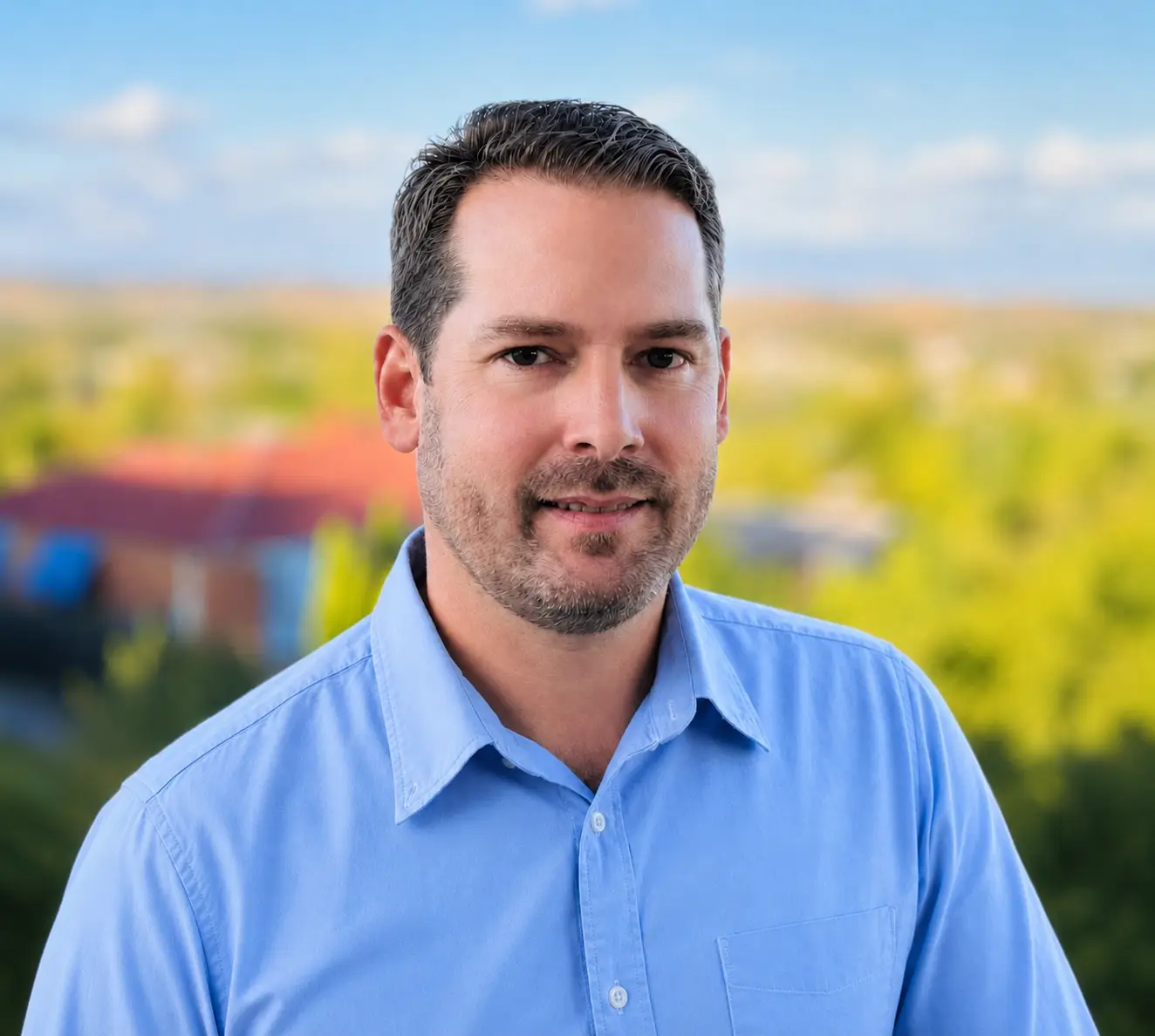
YOUR BROKER
Meet your business finance broker.
David Warburton combines commercial-banking experience with mortgage broking and a broad lender panel. The aim is to explain the trade-offs, match the borrower and transaction to workable lender policy and keep the finance moving from the first review through to settlement.
BUSINESS & FRANCHISE FINANCE FAQs
Business and franchise finance questions.
What does a business and franchise finance broker compare?
We compare lender appetite, borrower evidence, business or franchise risk, cash-flow methodology, contribution, security, facility mix, term, pricing, fees, conditions and settlement execution—not only the headline rate.
How much contribution is needed to buy a business or franchise?
There is no universal percentage. It depends on proven earnings, goodwill, hard assets, industry, franchise system, buyer experience, security and the working capital retained after settlement. A greenfield or goodwill-heavy transaction often needs more borrower equity.
Can projected income be used for a new franchise site?
Forecasts can support the application, but lenders usually test the assumptions and place greater weight on the borrower, franchise system, site, lease, contribution, comparable performance and cash buffer when trading income is not yet established.
Can fit-out, equipment and working capital be financed separately?
Often yes. Equipment finance may better match identifiable assets, while a business or property-backed facility may fund acquisition, fit-out or working capital. All facilities and repayments still need to be assessed together.
Can a first-time business owner obtain finance?
Sometimes. Relevant management or industry experience, a credible opportunity, suitable contribution, strong franchise support, conservative forecasts and a well-prepared application become more important where direct ownership history is limited.
Should I sign the franchise agreement, lease or purchase contract before finance approval?
Obtain legal advice and understand finance clauses, cooling-off rights, conditions and non-refundable payments. The finance path, agreements and settlement timetable should be coordinated before you become unconditionally committed wherever possible.
How long does business or franchise finance approval take?
Timing depends on the lender, facility, security, financial evidence and document quality. Property valuations, complex entities, lease or franchise review, multiple facilities and third-party consents can extend the process, so start before the deadline becomes urgent.
Do you charge a business-finance broker fee?
A fee may apply to business, franchise or complex specialist work because transaction complexity and lender remuneration differ. Any broker fee would be disclosed and agreed before an application proceeds.
Let’s plan your next business move.
Tell us what you are buying or funding, the total project cost, contribution, available evidence and deadline. We will explain the realistic lender pathways and next steps before an application is lodged.