
TINY HOME FINANCE BROKER • AUSTRALIA-WIDE
Tiny-home finance should fit the home, land and project—not just the builder quote.
Finance depends on whether the lender can take a mortgage over the land and an approved fixed dwelling, use equity in another property, or consider a specialist non-mortgage application. A Tiny Home on Wheels is usually not standalone mortgage security. We review the home, land, contract and supplier payment schedule before you commit.
Movable • fixed • small second dwellingsLand • approvals • builder payments
General information only. Planning, building, land-use, road-vehicle, transport, insurance and legal requirements vary by project and jurisdiction.
START WITH THE PROJECT
Tiny-home finance changes with the home, land and intended use.
The same builder quote can require very different finance structures depending on whether the completed home becomes part of acceptable real property, is funded using equity in another property or remains movable.
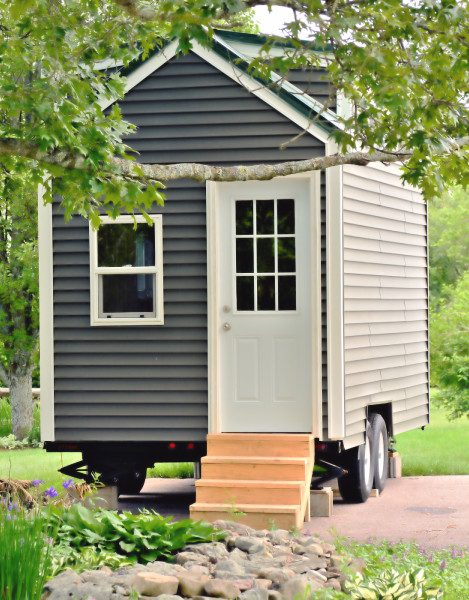
Tiny Home on Wheels
A movable or trailer-based home is usually not accepted as standalone mortgage security. Funding may rely on savings, equity in another property or a specialist lender willing to assess the particular home, supplier, payment method and intended use.
Fixed home on owned land
A permanently attached dwelling may fit a residential or construction pathway where the land, approvals, builder contract, services and on-completion valuation are acceptable.
Small second dwelling
A granny flat or small second home may be funded from property equity or through construction lending, depending on the site, approvals, valuation and lender treatment of the additional dwelling.
Land plus tiny home
The land purchase and home may need one coordinated construction facility or separate funding lanes. The completed project must be lawful, serviceable and acceptable as security.
Use equity in another property
A top-up or refinance can fund some projects where usable equity and servicing exist, but purpose, construction controls, cash-out evidence and the risk to the supporting property still matter.
Rental or business project
Where the project will operate as accommodation or another business activity, the finance may be assessed on business purpose and cash flow as well as the home, site, approvals and insurance.
CLASSIFY BEFORE YOU APPLY
The label “tiny home” does not tell a lender what security it has.
First we establish whether the lender can rely on the land and completed dwelling, another property used as security, or no mortgage security at all. That determines which lenders and payment methods can realistically be considered.
Many mainstream mortgage policies exclude movable, relocatable or transportable homes as standalone residential security. Some lenders may consider an off-site-built dwelling when it will be permanently fixed to acceptable land, connected to services and supported by the required approvals and valuation.
That does not mean every other project is automatically unfinanceable. It means the finance family, term, security, evidence and payment process can be very different from a standard home loan.
Rate Challenge reviews the complete transaction: the home, land or site rights, builder or manufacturer, deposit, payment milestones, delivery, site works, intended use, full budget and available security. We then narrow the lender pathways before an application is lodged.
Before paying a non-refundable deposit
Confirm the contracting entity, land or site position, lawful intended use, supplier credentials, refund terms, payment milestones and whether the likely lender can pay in the way the contract requires.
WHAT WE COMPARE ACROSS LENDERS
We compare the complete project—not a generic “tiny-home loan”.
Tiny-home policy can change materially with mobility, affixture, land control, builder, payment schedule, total cost, valuation and intended use.
Security and valuation
Whether the lender can rely on the land and completed dwelling, another supporting property, land value only or no mortgage security—and what value it is prepared to recognise.
Land and site rights
Title, existing mortgage, land purchase, family ownership, lease or licence term, access, removal rights and the lender’s ability to control the security.
Builder and contract
Builder or manufacturer experience, registration where required, specification, fixed price, insurance, deposit terms, variations, completion and defects.
Payment and settlement
Whether the lender pays once, pays the supplier directly or supports controlled progress draws, and whether those rules match the contract milestones.
Budget, equity and buffer
Home, transport, cranage, foundations, site works, services, permits, professional costs, contingency and the cash retained after completion.
Use, income and insurance
Principal home, family accommodation, long-term rent, short stay or business use can change income treatment, approvals, insurance and the appropriate facility.
Looking for the detailed planning, trailer, PPSR and contract mechanics?
Read the tiny-home finance guideRead the Tiny Home Finance Guide for detailed planning and lending information. Here you can compare finance pathways and arrange an application.
THE MAIN FUNDING LANES
A realistic funding lane depends on what the lender can verify and secure.
Pricing and terms cannot be compared properly until the transaction sits in the correct finance category.
| Funding lane | When it may fit | What the lender is likely to test | Common execution issue |
|---|---|---|---|
| Residential construction or home lending | Fixed, approved dwelling on acceptable owned or purchased land. | Land/title, contract, builder, permits, insurance, on-completion value, servicing and progress stages. | Off-site payment milestones or project costs do not fit standard construction draw rules. |
| Property-equity release or refinance | Usable equity exists in another acceptable property. | Valuation, existing debt, resulting LVR, servicing, loan purpose and whether works require controls. | The borrower assumes every project cost can be released as unrestricted cash. |
| Specialist non-mortgage finance | Movable home, no mortgageable land, or a smaller one-settlement purchase. | Borrower strength, supplier, asset identification where relevant, age or condition, resale, intended use and settlement method. | The supplier requires staged payments but the lender only settles against a completed invoice. |
| Business or commercial finance | Short-stay, tourism, worker accommodation, rental fleet or broader commercial project. | Approvals, site tenure, business history, forecasts, cash flow, insurance, asset/property security and exit. | Residential assumptions are used for a project that is legally and commercially a business. |
There is no universal tiny-home rate. Ordinary home-loan pricing is not a reliable proxy for specialist personal or business finance.
THE COMPLETE PROJECT COST
The builder quote is only one part of the amount that must be funded.
We build the finance request around the completed and usable project—not just the base home.
Home and contract
Base unit, options, appliances, GST, deposit, payment stages, variations, final inspection and any costs excluded from the supplier contract.
Delivery and the site
Freight, permits, escort, crane, access, earthworks, foundations, drainage, utilities, wastewater, decks and landscaping.
Approvals and buffer
Planning, building surveyor, engineering, insurance, legal work, valuation, lender costs and retained contingency for delays or unexpected works.
Cost does not automatically equal financeable value
Some transport, customisation and site-work costs may not be fully reflected in the property or asset value used by the lender. The funding plan should identify any gap before contracts become unconditional.
OUR ROLE IN THE PROJECT
We arrange the finance. Your specialists confirm the home, site and approvals.
A lender approval is a credit decision. It does not confirm that the home can be built, placed, occupied or operated as planned. We coordinate the finance around the documents and advice supplied by the relevant project specialists.
Finance review and application
- Review your borrowing position, available security or equity and full project budget
- Identify realistic funding options and explain where they may not fit
- Compare lender policy, terms, pricing, fees and evidence
- Manage the application, valuation, lender conditions and payments or settlement
Approvals, contract and project advice
- Council, planner and building surveyor confirm lawful placement, construction and occupation
- Solicitor or conveyancer reviews the contract, land or site rights, ownership and deposit terms
- Builder or manufacturer provides specifications, credentials, insurance and payment milestones
- Accountant or tax adviser confirms GST, tax and business structure where relevant
THE RATE CHALLENGE PROCESS
Choose the funding path before the contract chooses it for you.
A clean tiny-home application starts with a defined finished project and a payment schedule the lender can actually support.
Define the project
Confirm home type, mobility, land or site, builder, use, approvals, delivery, services, full cost and deadline.
Identify the non-lending checks
Separate the council, building, land, contract, transport, insurance and tax questions that require specialist confirmation.
Compare funding lanes
Test residential construction, property equity, specialist non-mortgage and business finance, plus the required cash contribution.
Package the application
Present income or business evidence, security, contract, supplier, approvals, budget and payment milestones clearly.
Coordinate payment and completion
Manage valuation, conditions, deposits, draws or settlement, supplier verification, insurance and final delivery.
WHAT TO HAVE READY
A useful first review needs the home, site and payment details.
The exact document list changes by finance lane, but these items let us rule pathways in or out before the project becomes urgent.
Borrower and funding
Income or business evidence, assets and liabilities, savings/equity, deposit already paid, finance amount and preferred repayment budget.
Home and supplier
Quote or contract, specification, movable/fixed status, builder/manufacturer entity, identification where relevant, payment schedule and delivery date.
Land, approvals and use
Title or site agreement, existing mortgage, council/planning information, services/site-work quotes, intended occupation or business use and insurance position.
Do not assume a large supplier deposit can be reimbursed later. Confirm lender acceptance, refund terms and ownership before paying a non-refundable amount.
TOOLS, GUIDE & RELATED SERVICES
Use the service page for finance help, the calculator for modelling and the guide for detailed education.
The related pages cover the project type without forcing every question into this broker service page.
CalculatorTiny Home Finance Calculator
Model broad construction, equity and specialist non-mortgage repayment pathways.
Open the calculator → GuideTiny Home Finance GuideGo deeper into approvals, contracts, trailers, PPSR, site rights and project risks.
Read the guide → Related serviceModular Home Loans AustraliaFor a prefabricated home intended to become a permanent residential dwelling.
Explore modular finance → Related serviceConstruction & Renovation FinanceFor fixed dwellings, structural works and lender-controlled progress payments.
Explore construction finance → Related serviceEquipment & Asset FinanceFor a movable or business-use asset where a lender specifically accepts the asset and transaction.
Explore equipment finance → Related hubSpecialist FinanceExplore business, commercial and non-standard funding options for complex projects.
Explore specialist finance →
YOUR BROKER
Clear lender rules and a funding plan built around the real project.
David Warburton combines commercial-banking experience with mortgage broking and a broad lender panel. The aim is to identify the correct finance family, explain the trade-offs, match the project to workable policy and keep the application moving from the first review through to payment or settlement.
TINY-HOME FINANCE FAQs
Questions to resolve before signing with the builder or manufacturer.
Can a Tiny Home on Wheels get a normal home loan?
Usually not as standalone mortgage security because it remains movable and may not form part of land acceptable to the lender. Funding may instead come from savings, equity in another property or a specialist non-mortgage lender, subject to the borrower, home, supplier and intended use.
Can a fixed tiny home get construction finance?
Potentially, where it becomes an approved and permanently attached dwelling on acceptable land and the builder, contract, insurance, valuation and progress-payment structure meet lender policy.
Can I use equity in another property to fund the project?
Potentially. The lender will assess the supporting property value, existing debt, resulting LVR, serviceability, purpose and evidence. The supporting property is exposed if the new debt cannot be repaid.
Can I finance a tiny home on family or leased land?
Potentially through a non-mortgage pathway, but the lender may have no control over the site. Occupancy rights, ownership, access, services, removal rights and what happens if the land arrangement ends should be documented.
Can the lender make progress payments to the builder?
It depends on the finance lane. Construction lenders can support defined stages and inspections, while many personal or asset facilities settle once. The contract must match the available payment process.
Does finance approval confirm council or building approval?
No. Finance approval does not make the placement, construction or occupation lawful. Council, planning, building and other project requirements must be confirmed separately for the actual site and use.
Can short-stay or business-use tiny homes be financed?
Potentially. The lender may require lawful operating approval, business or rental evidence, forecasts, site tenure, insurance and a commercial repayment strategy rather than treating the project as an ordinary home.
Do you charge a tiny-home finance broker fee?
A fee may apply to personal, business or other complex specialist work because the research and lender remuneration differ. Any fee would be disclosed and agreed before work proceeds.
Put the home, land, approvals and payment plan into one finance review.
Tell us what is being built or bought, where it will sit, how the supplier wants to be paid and how the finished project will be used. We will explain the realistic funding lanes before you commit.