

EQUIPMENT FINANCE BROKER • AUSTRALIA-WIDE
Equipment finance should fit the asset, business and purchase—not just the monthly repayment.
Equipment lenders assess the business, asset, seller, age, use, evidence and settlement path. We compare lender policy, structure, term, deposit, balloon and conditions around the complete transaction before you commit.
35+ lendersAssets • structure • settlement
General information only. Tax, GST, accounting and asset-ownership consequences should be confirmed with your accountant or tax adviser.
START WITH THE TRANSACTION
Equipment finance changes with the transaction.
The same asset price can produce a different lender outcome when the seller, age, business, evidence or settlement method changes.
New dealer purchase
Often the cleanest settlement path, but lender fit still changes with the asset category, applicant history, amount and delivery deadline.
Used equipment
Age, condition, hours or kilometres, service history, remaining useful life and resale market can affect the available term and lender options.
Private sale or auction
Seller, ownership and asset verification become more important, with settlement controls that should be planned before bidding or paying a deposit.
Refinance or replacement
Current payout, asset value, remaining life and the reason for changing facilities determine whether a new structure remains sensible.
Fleet or multi-asset purchase
Multiple suppliers, staged delivery or mixed asset types may require coordinated approvals, separate facilities and careful cash-flow planning.
Specialised or imported asset
Narrow resale markets, installation, software, customs, compliance or supplier risk can reduce the number of workable lenders.
BEYOND THE REPAYMENT
The lender is assessing the business, asset and settlement together.
A lower monthly figure can come from a longer term or larger balloon. The structure still needs to make sense when the asset is replaced, sold or refinanced.
Two transactions with the same purchase price can be treated very differently. A new dealer-supplied truck for an established operator is not the same credit file as an older privately sold excavator, imported machine or specialised medical device.
The broker’s role is to compare which lenders accept the applicant and asset, what evidence each pathway needs, how the seller can be paid and whether the proposed term, contribution and balloon fit the asset’s working life.
Rate Challenge focuses on the complete transaction—not only the advertised rate or the first monthly repayment—so the application is designed around the real purchase and delivery deadline.
Before paying a deposit
Confirm the buying entity, full quote or invoice, asset identifiers, seller details, finance condition and a realistic delivery date. Fixing those items late can delay approval or settlement.
WHAT WE COMPARE ACROSS LENDERS
We compare the whole equipment finance transaction—not just the repayment.
The same purchase can receive different outcomes as lender asset appetite, evidence requirements, seller rules and settlement processes change.
Borrower and evidence
ABN and trading history, entity structure, credit conduct, financial evidence and whether a streamlined or full assessment is realistic.
Asset eligibility
Asset family, age, condition, business use, marketability, remaining life and whether the lender accepts any attachments or modifications.
Seller and settlement
Dealer, private-sale, auction, import and refinance pathways can require different ownership checks, invoices, inspections and payment controls.
Structure and ownership
Whether the proposed facility matches who should buy and use the asset, when title passes and what needs to happen at the end of the term.
Term, deposit and balloon
How the repayment shape fits cash flow, expected asset life, likely replacement cycle, resale value and any trade-in or contribution.
Pricing, conditions and timing
Rate, fees, documentation, approval conditions, insurance, turnaround and settlement certainty should be compared together.
Looking for the detailed mechanics?
Read the equipment finance guideThe Equipment Finance Guide goes deeper into chattel mortgage, hire purchase, finance lease, GST and tax questions, balloon design, used assets, PPSR, documentation and settlement.
ASSETS WE CAN REVIEW
Equipment finance for vehicles, machinery and business-critical assets.
Availability depends on the applicant, asset, seller and lender. Not every asset can be funded through a standard equipment facility.
Transport and fleet
Trucks, trailers, vans, utes and selected business-use vehicles.
Construction and earthmoving
Excavators, loaders, skid steers, graders, compactors and site plant.
Agricultural machinery
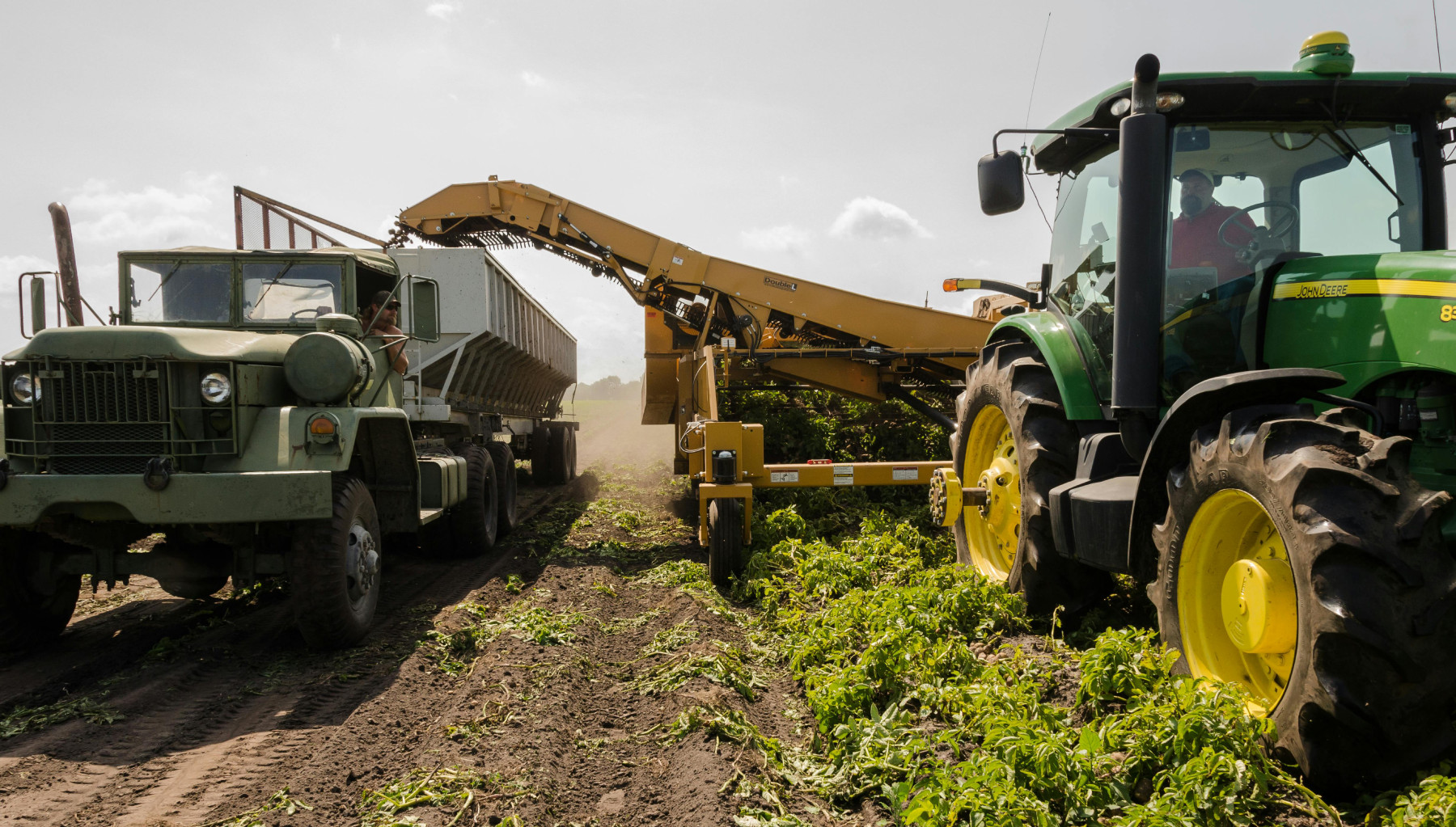
Tractors, harvesters, sprayers, implements, irrigation and farm equipment.
Manufacturing and handling
Production machinery, forklifts, warehouse systems, fabrication and packaging equipment.
Medical and professional
Dental, imaging, laboratory, allied-health and specialist professional equipment.
Hospitality, retail and technology
Commercial kitchens, refrigeration, point-of-sale, security and business-critical hardware.
THE RATE CHALLENGE PROCESS
Move from quote to settlement without losing control of the structure.
A fast approval still needs the right applicant, asset, seller and paperwork.
Define the transaction
Confirm the asset, seller, buyer entity, price, business use, condition, delivery and settlement deadline.
Shape the facility
Review contribution, trade-in, term, balloon, repayment profile and the intended end-of-term outcome.
Match lender options
Filter for applicant evidence, asset policy, seller type, amount, turnaround and settlement method.
Package the application
Present the business purpose, financial position, asset and seller evidence clearly and consistently.
Coordinate settlement
Manage conditions, insurance, invoice, ownership checks, payouts, seller payment and delivery.
WHAT TO HAVE READY
A clean first review protects the delivery date.
The exact document list changes by lender, but these details help identify a workable path before the file becomes urgent.
Business and applicant
ABN or entity, applicant identification, trading history, industry, existing commitments and the financial evidence currently available.
Asset and seller
Quote or invoice, make, model, year, VIN or serial, hours or kilometres, condition, seller details and any current payout.
Contribution and timing
Deposit or trade-in, preferred repayment shape, delivery deadline, insurance timing and how the asset will earn or save money.
Do not wait until delivery week to confirm the buyer, invoice or seller details. Private sales, auctions, older assets and imports usually require more verification than a standard dealer purchase.
TOOLS, GUIDE & RELATED SERVICES
Use the calculator for modelling and the guide for deeper education.
Use this page when you need help arranging finance; use the detailed guide when you want to understand structures, ownership, documents and settlement in depth.
CalculatorEquipment Finance Calculator
Model repayments, term, deposit and balloon scenarios before choosing a structure.
Open the calculator → GuideEquipment Finance GuideGo deeper into structures, ownership, GST, balloons, documents and settlement.
Read the guide → Case studyEarthmoving Equipment FinanceSee how asset value, business cash flow, lender fit and structure interact in practice.
Read the case study → Related serviceBusiness & Franchise FinanceFunding for acquisitions, fit-out, working capital and broader business needs.
Explore business finance → Related serviceCommercial Property FinanceCoordinate property-secured finance with equipment, fit-out or business expansion.
Explore commercial finance → Australia-wide supportRate Challenge LocationsFind office and contact options while equipment finance remains available Australia-wide.
View locations →
YOUR BROKER
Commercial banking experience and a plan built for the real equipment-finance process.
David Warburton combines commercial banking experience with mortgage broking and a broad lender panel. The aim is to explain the trade-offs, match the applicant and asset to workable lender policy and keep the finance moving from the first review through to settlement.
EQUIPMENT FINANCE FAQs
Questions to resolve before paying a deposit or committing to delivery.
What does an equipment finance broker compare?
We compare lender appetite, applicant evidence, asset policy, seller and settlement rules, ownership structure, term, contribution, balloon, pricing, fees and turnaround—not only the advertised rate or monthly repayment.
Can you finance used equipment or a private sale?
Potentially. The lender may require stronger asset and seller verification, ownership checks, inspection or valuation, contract or invoice evidence and controlled payment. Asset age and condition can also affect the available term.
Do I need full financial statements?
Not always. Some eligible established businesses and standard assets may use streamlined evidence, BAS or bank statements. Larger, newer, more complex or specialised transactions can require full financials and tax returns.
Can a new business obtain equipment finance?
Sometimes. Relevant industry experience, applicant credit, a clear business purpose, suitable contribution, contracts or supporting income can become more important where trading history is limited.
How quickly can equipment finance settle?
A clean dealer transaction can move quickly once the applicant, invoice and insurance are ready. Used, private-sale, auction, imported or specialised assets generally need more verification and should be started earlier.
Do you charge an equipment-finance broker fee?
A fee may apply to some equipment or specialist transactions depending on complexity and lender remuneration. Any fee would be disclosed and agreed before the application proceeds.
Put the business, asset and lender rules into one equipment-finance plan.
Tell us the asset, seller, business, contribution and delivery timing. We will explain the realistic lender options and next steps before you commit.